

Story & Impact · East Sumba

The cloth is visible.
The hands should be, too.

TANA HUMBA connects every piece to a maker, a place, and a process—so heritage can enter a wider market without becoming anonymous.

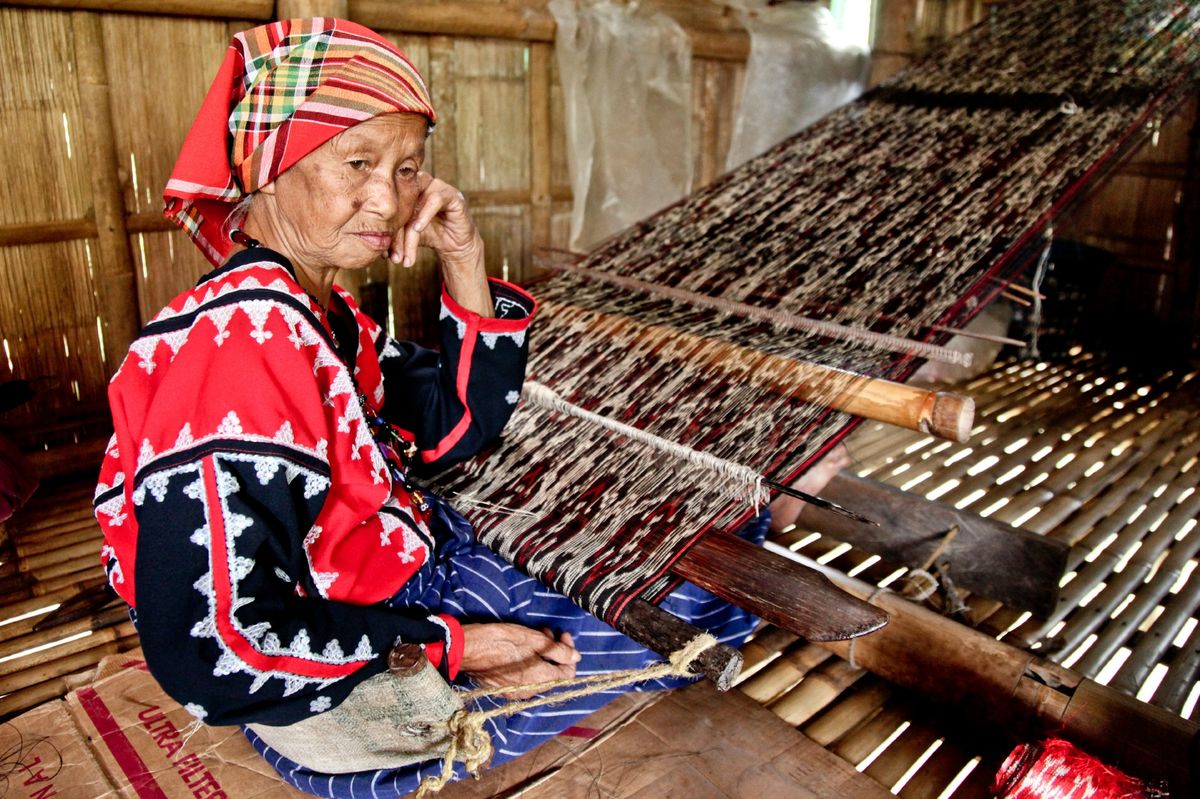
East Sumba artisan holding a handwoven textile
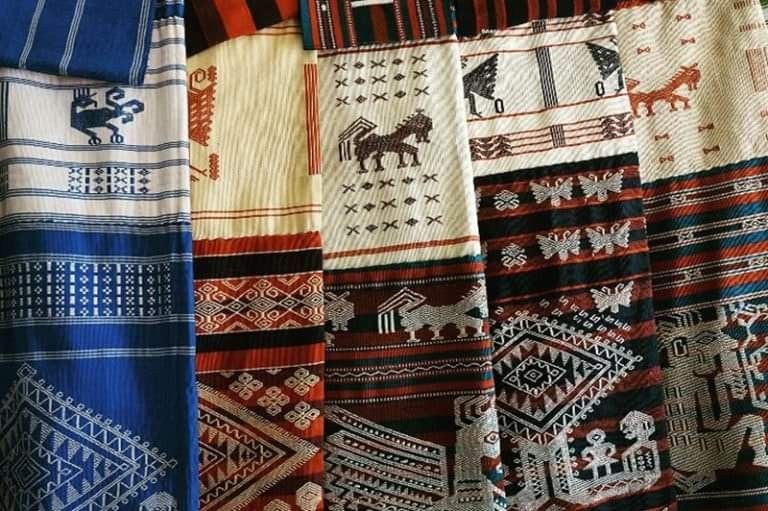
Detailed pattern of East Sumba ikat
From maker to meaning
01 — Maker 02 — Process 03 — Livelihood 04 — Continuity
Why we exist

Not every valuable thing can be measured—but it should never be erased.

Our belief

A textile should never arrive without its story.

When the name of the maker disappears, craft becomes a surface. We use simple digital tools to keep attribution, context, care, and impact attached to every piece. Technology supports the story; it does not replace the people who own it.

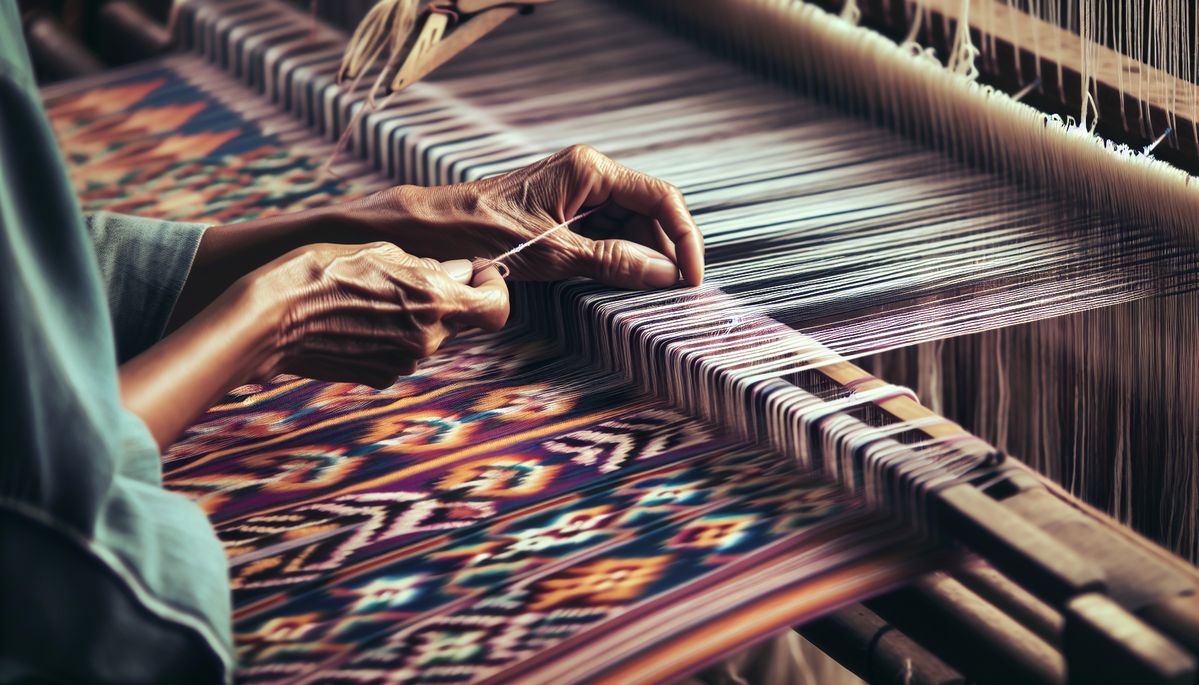
Artisan hands preparing threads for ikat weaving

Maker profile · concept preview

Meet a maker

Ina Lele

Warp ikat weaver · East Sumba

“I want the person who keeps my hinggi to know my name—not only the price.”

Her work begins before the loom: preparing thread, planning the tied pattern, waiting for colour, and returning to the same line day after day.

TANA HUMBA records only the details she agrees to share. Private family stories and restricted cultural meanings remain with the community.
Ask the Story Guide about the process

Impact, made visible

What grows when craft is properly valued.

These concept-stage figures show how the collective will report progress. Live numbers will be published only after partner verification.

0

Artisans in the pilot network

Named, attributed, and able to approve what is shared.

0

Partner villages

Relationships built at village pace, not platform pace.

0

Apprenticeship places

Learning time supported alongside active production.

0

Stages documented

From initial attribution to care and delivery records.

The impact ledger

One purchase. Four visible layers.

No vague “supports artisans” claim. The Textile Passport shows the roles and contributions connected to each piece.

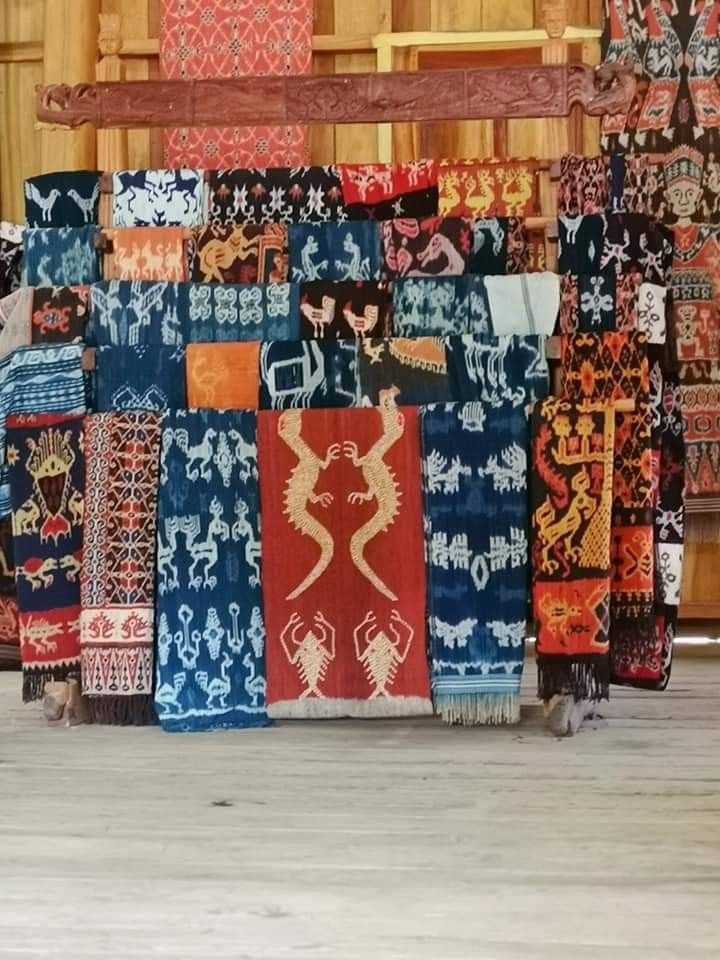
Detailed Sumbanese textile pattern
Textile PassportTH–014
01

Maker payment

The agreed artisan payment is recorded before a piece is listed.

02

Materials & dye work

Thread, plant materials, and specialist dye work remain visible.

03

Collective services

Documentation, quality checks, storytelling, and market access are separated clearly.

04

Learning continuity

A defined contribution can support apprenticeship time, materials, or knowledge documentation—with partner approval.

Humba AI Story Guide

Ask with curiosity.
Answer with boundaries.

The guide turns approved public notes into short explanations. It does not invent artisan quotes, interpret restricted motifs, or speak on behalf of the community.

Interactive concept prototype
Story sessionBased on approved public notes

Welcome. I can help you explore publicly shareable stories about East Sumba ikat, its making process, and how TANA HUMBA tracks impact.

Curated notePublic context

Try asking

AI-assisted preview · Cultural details require collective and artisan approval before publication.

The next generation

Continuity needs time, not nostalgia.

Apprenticeship is not a side note. It needs materials, patient teaching, and enough income for experienced makers to make room for learning alongside production.

Explore Traceable Pieces
Naturally dyed threads used for weaving
Finished East Sumba ikat textile